O Canada: Wedding Differences We See North of the Border
Timing, MCs, officiant rules, and multiculturalism — what actually differs when you marry in Western Canada.
[Editor's note: a version of this article was originally published in the international publication Wedding Planner Magazine.]
When I was first asked to write an article on Canadian wedding traditions, I thought it would come together easily. I sat down and did what any good writer would do — started with a quick search on Canadian wedding traditions. You can only imagine my surprise when a list of customs came up that I had never even heard of. I've been in the wedding industry for years and planned hundreds of weddings in Calgary and the Canadian Rockies. How could I not know what a Sock Dance or a Wedding Wheel was?
Then it hit me. A closer look showed the articles were written by planners from Eastern Canada. I don't mean that in a bad way — but our country is enormous (geographically we're larger than the United States), and just like everything else from politics to education, we do things a little differently out west. That discovery sent me on a bit of a quest: how are wedding customs unique in Western Canada?
It's all related to timing
I'm fortunate to work with a number of American clients each year who want a destination wedding in the Canadian Rockies. One of the biggest differences I see between my destination couples and my local ones is the organization and itinerary of the evening.
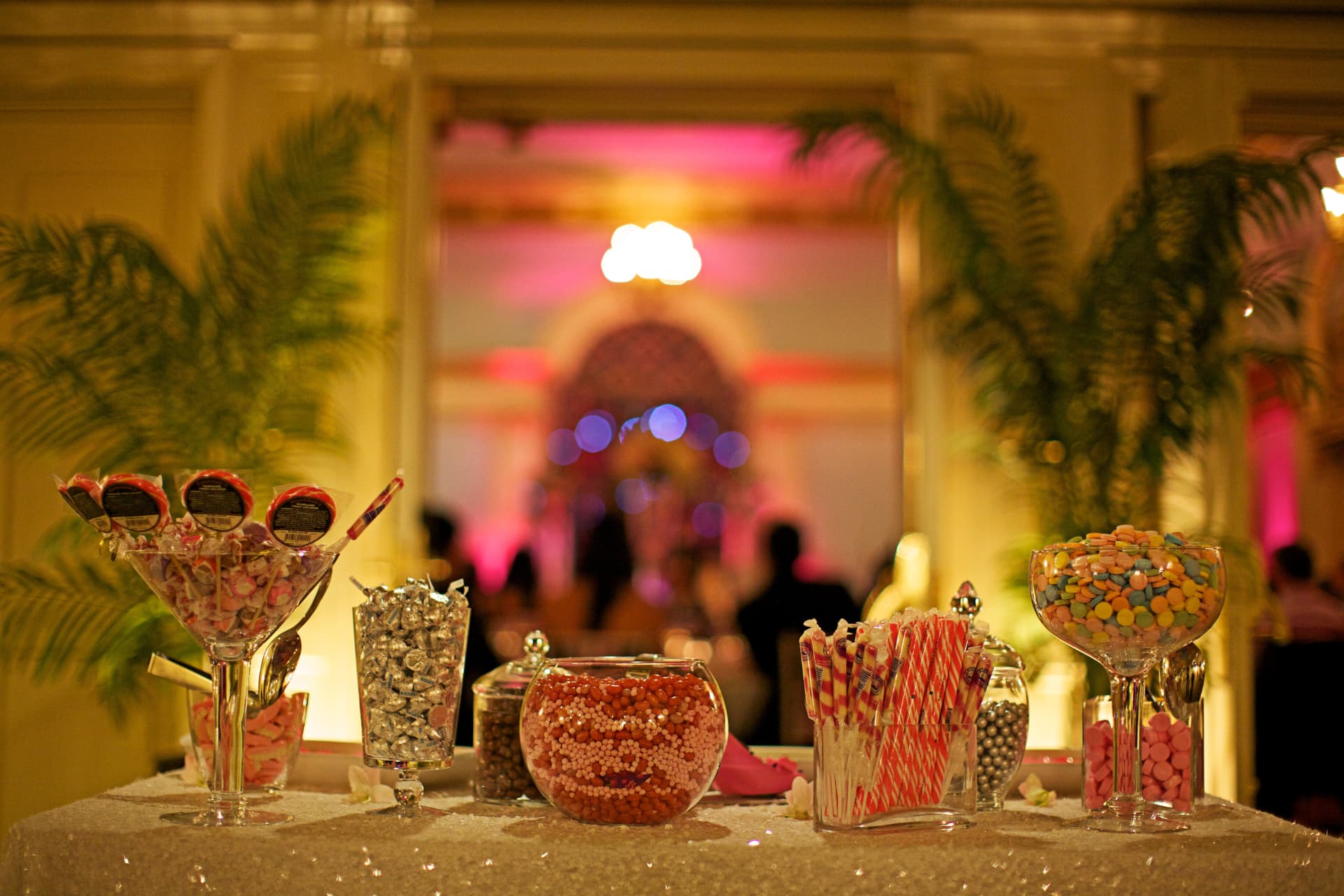
My American clients often want the Grand Entrance followed immediately by either the cake cutting or the first dance. My local couples tend to wait until much later. Very often we'll cut the cake after dinner service has finished, especially if the cake is going out with the late-night food. The first dance follows right after, as a way of kicking off the dancing.
Where we are — on the prairies, near the mountains — it can be 9:00 PM or later before the sun sets in the summer months. I suspect part of the reason we run later is simply to wait for darkness so the lighting design actually reads.
Now introducing our host for the evening
Another notable difference is in choosing the Master of Ceremonies. My American couples usually want me to hire the DJ, or someone from the band, to take on that role. My local clients will often choose a family member — an aunt or uncle — a family friend, or someone they know from university.
It's usually someone already close to the couple, so they bring the history and inside knowledge that makes the evening feel personal. But because they're often new to the role, they need more guidance from me as the planner: what their job actually is, what to talk about, when things happen, how to call tables for a buffet, and all the other MC-related details.
I now pronounce you
Choosing who marries you is an important decision. Many couples want the minister from their family church, or a family member or close friend who can take a short online course to become an officiant. That's fairly common practice in the United States. It is not so easily done in Western Canada.
For a legal wedding here — in British Columbia, Alberta, or Saskatchewan — your officiant must be approved by the province. They have to be authorized clergy from a recognized religious organization, such as a church, synagogue, or mosque. As an alternative, the Vital Statistics branch of each provincial government designates a limited number of marriage commissioners licensed to perform non-religious civil ceremonies almost anywhere in that province — but only in that province. An Alberta marriage commissioner cannot perform a ceremony in British Columbia, and vice versa. Courthouse weddings are also a thing of the past here.
If an American couple has their heart set on a friend officiating, our advice is to get legally married ahead of time at home, and then have a symbolic ceremony here with that friend. If you're planning a wedding in BC, Alberta, or Saskatchewan, check the marriage rules and regulations on the appropriate provincial website — you'll usually find a list of approved marriage commissioners there.
We're one big multicultural family
Perhaps the most significant way Canadian weddings stand out is our emphasis on multiculturalism. Growing up, we were taught that Canada was a mix of many different cultures, and that what made us unique was our acceptance of everyone's background. We aren't a melting pot so much as a collage that celebrates difference.
Our country is vast, and the Canadian population comes from every corner of the globe. It only makes sense that our celebrations reflect that. Honestly, this is what a Canadian wedding really is — a multicultural experience that weaves together the most meaningful traditions from both families.
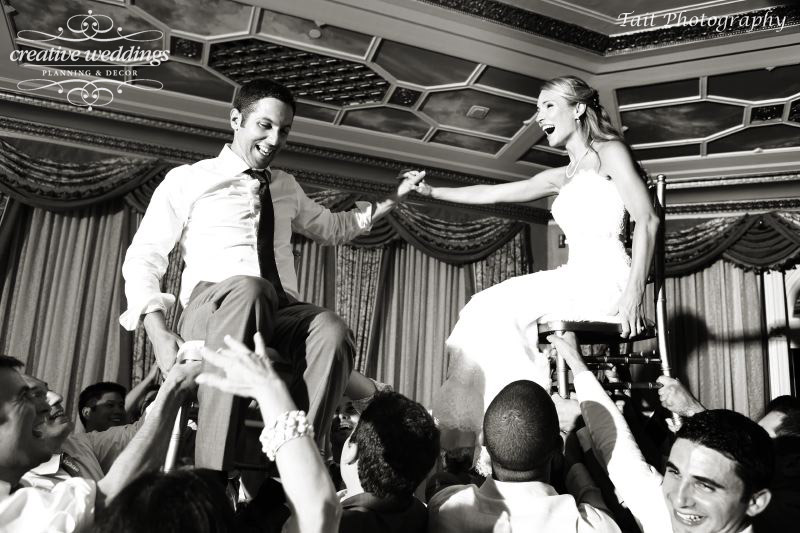
We might do a wedding with a Chinese tea ceremony earlier in the day, a Jewish hora during the reception, and poutine as part of the late-night spread. Another couple will serve a buffet of Indian food followed by Greek dancing and plate smashing. In Canada, we tend not to think in either/or terms, but in terms of blending the best of two or more cultures into a genuinely rich celebration.
There are so many similarities between our two nations, and as a planner you won't notice a huge number of differences between weddings in Canada and weddings in the United States. But there are a few specifics worth being ready for — and they're part of what makes us unique.